How to Tell If You Are Getting Good Quality Cannabis
Jump to a Section: Good Quality versus Bad Quality Cannabis 4 Ways to Tell the Quality of Cannabis O...
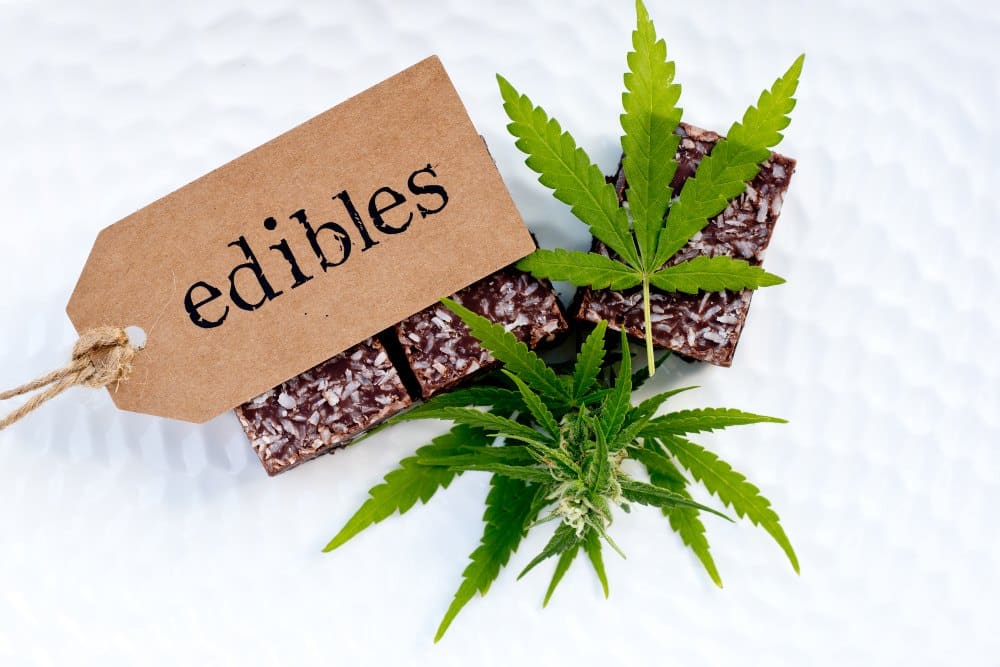
Table of Contents:
Curious about cannabis edibles? We’ve got the answers to the most-asked edible questions. Read on to become an edible expert!
An edible is any product that can be eaten or swallowed that has been infused with cannabis extract. Edibles can be made at home or bought as a consumer packaged good, in a variety of forms.
Edibles can provide the same benefits as any cannabis product, but many people enjoy them for their discretion and ease. Those that don’t like the idea of smoking or vaping can reap the benefits of cannabis by doing something they already know how to do—eating!
You can consume edibles in one of two different ways. Most are eaten or swallowed, but some, like hard candies, can be taken sublingually (under the tongue).
Many people claim edibles are more effective at relieving their pain than smoking or vaping is, and research seems to back them up. This is due to the unique way that edibles interact with your body, making their effects feel stronger and last longer than inhaled cannabis.
Edibles provide a different experience than other cannabis consumption methods do. Why? What do edibles do for the body?
Because most edibles pass through the digestive system, they are metabolized by the liver. This process converts the THC to 11-hydroxy-THC, which is a more potent form that provides a more intense experience and a longer-lasting high.
While edibles take a longer time to take effect (typically 1-2 hours), the duration of the edible experience also lasts longer than other forms of cannabis (up to 6-8 hours). This is helpful to those who take cannabis for pain, inflammation, nausea, or insomnia.
Related: What are the Best Weed Strains for Anxiety?
Because edibles take longer to kick in due to the digestion process, it is important to wait 3 or more hours after taking an edible to increase the dose. Some people get impatient when they don’t feel results quickly, take another one, and then when they do take effect, the longer, intense experience can be quite uncomfortable.
That’s why “low and slow” is always the dosage recommendation for edible use—especially if you’re trying a product or brand you haven’t taken before. Start with a dosage of 5 mg or less, and take another dose only if you don’t see desired results after waiting several hours.
Some benefits of edibles are:
There are so many types of tasty edibles available, you’re bound to find your favorite form and flavor. While most edibles are sweet treats, it’s important to remember that these are not actually candy—they contain THC, a psychoactive cannabinoid.
It is important to decide on a low dose ahead of time and don’t overindulge just because they’re yummy. Some of the types of cannabis confections you might find at the dispensary are:
Gummies and other types of chews are probably the most common and most popular type of edible on the market. They come in a variety of fruit flavors and contain a consistent dose of THC in each chew—often 10 mg. Gummies are chewed and swallowed, so must pass through the digestive system before taking effect.
Lozenges, mints, suckers, and other types of infused hard candy are a unique type of edible in that they can enter the bloodstream through your sublingual blood vessels rather than through the digestive system.
Sucking on a hard candy (especially if you hold it under your tongue) makes it possible for the THC to directly enter your bloodstream through the vast network of blood vessels located there. This is called the sublingual method. THC bypasses the liver which means that you’ll feel the effects faster.
There are a variety of rich and delicious infused chocolates on the market.